History Repeats Itself
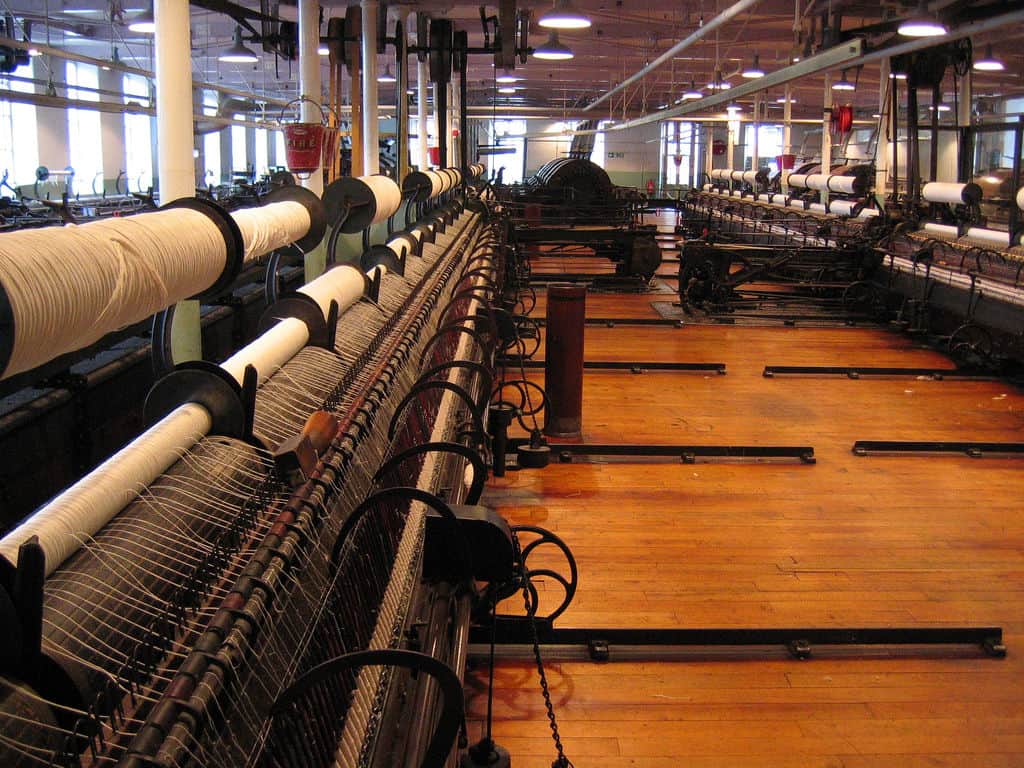
Fears that new technology will destroy jobs are as old as the Industrial Revolution itself. In the 1760s, angry workers attacked Spinning Jennies; machines that allowed one person to produce as much yarn as eight workers by hand. In 1961, Time magazine warned of the coming ‘automation jobless,’ predicting that computers would wipe out millions of positions. And in the late 1990s and early 2000s, many feared the internet and e-commerce would devastate retail employment. Yet none of these technological breakthroughs led to mass unemployment. Instead, they fueled economic growth and created new kinds of work. People’s fears were understandable, but history shows they were greatly exaggerated.
Once more we are in the midst of a technology implementation that is changing the types of jobs that are available. Once again, there are those who respond with dire warnings of an apocalypse. History shows us that while change and upheaval will occur, AI adoption will open new doors as old ones close.
Companies will still need software engineers, but their role will change. They will spend less time writing code and more time on software architecture and reviewing code. Companies may need fewer software engineers. However, evidence suggests that the gains from AI are around 20-50%, so it is not the elimination of the job entirely. Well led companies will see this as an opportunity to address their backlog of software changes without hiring, rather than an opportunity to carry out mass culls.
Customer support roles are also being targeted by AI. This reminds me of the mass offshoring of call center staff, which was followed by a significant return of these roles to the US. Companies will find people dissatisfied with AI support, and may also find issues with chatbots hallucinating. Air Canada was successfully sued by a customer after a chatbot told the customer about a nonexistent policy that left him several hundred dollars out of pocket.
This positive outlook is not meant to diminish the very real job losses that people have suffered, which companies are blaming on AI. Although I think that the real cause is short-sighted and sociopathic company leaders.
The pattern is consistent across history. Technology rarely destroys work itself; it destroys specific tasks and old ways of working. The key question is not whether AI will eliminate jobs, but whether society and companies will adapt quickly enough to help workers transition into new ones. Here history is less reassuring. The efforts in the 1980s to retrain steel workers did not result in the majority getting similarly compensated roles. The macro story is positive, but there will be people who do not find new roles in the AI world.